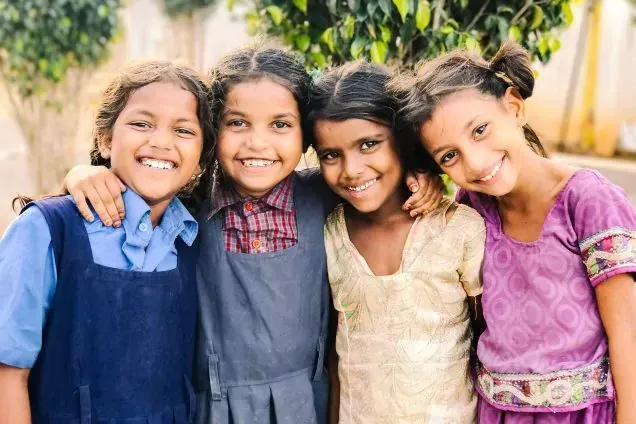
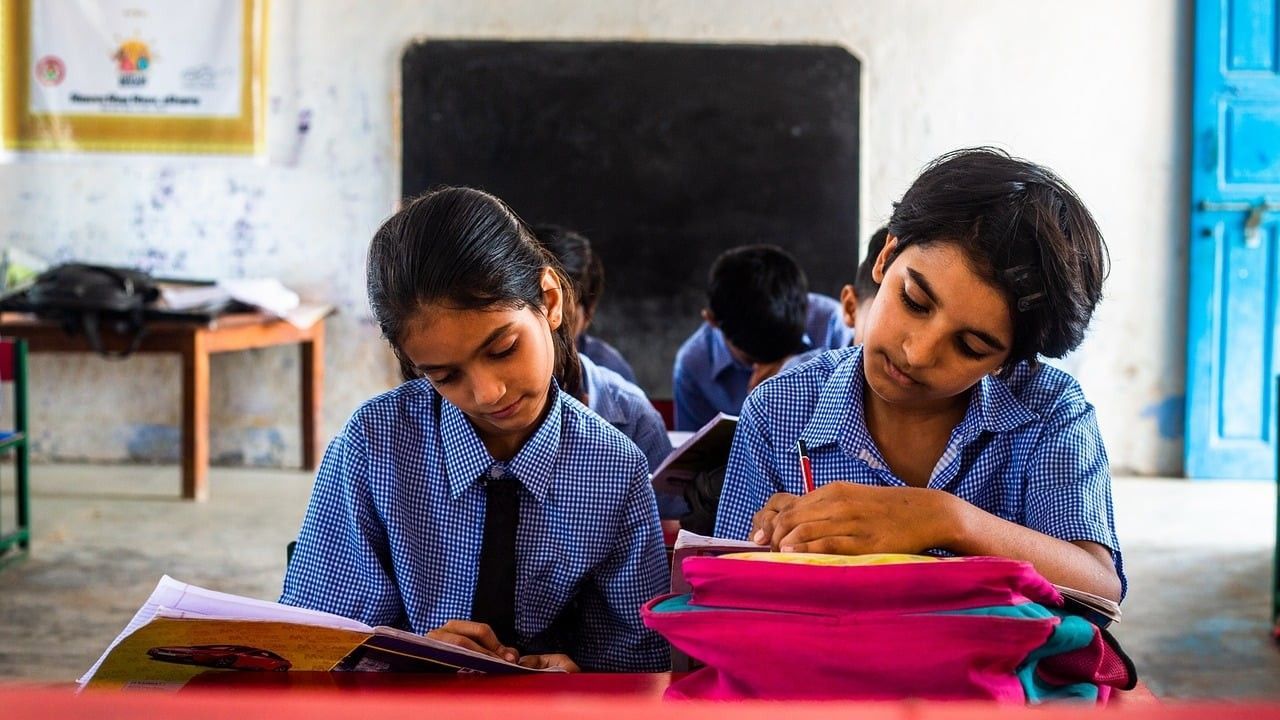
Behind every statistic is a girl with a name, a history, and a future worth fighting for. The LCR Foundation exists because of girls like the ones pictured here — and because too many of them are invisible to the systems meant to protect them.
Who These Girls Are
India is home to over 370,000 children living in registered care institutions. Ninety percent of abandoned children are girls. They arrive at places like Aarti Home in Kadapa having been found in hospitals, left at doorsteps, or removed from households where staying was more dangerous than leaving. They are not statistics. They are children who, given the right environment, thrive.
What They Are Capable Of
Alumni of LCRF's partner institutions have gone on to become engineers, doctors, data scientists, and social workers. One recent alumna spent three years pursuing civil services examinations before returning to the institution that raised her — this time to give back. These outcomes are not accidents. They are the result of institutions that hold girls to a high standard and refuse to treat hardship as a ceiling.
What They Still Need
The most acute gap is not inside the institution — it is what happens when a girl turns 18. She ages out of care with no family, no savings, no housing, and no network. The Juvenile Justice Act allows after-care support until age 21, but funding rarely follows. This is the gap the LCR Foundation is focused on closing.
Why Their Stories Matter
The LCR Foundation believes that the most powerful thing it can put in front of a donor, a policymaker, or a university partner is not a report. It is a voice. The girls in these photographs — and the thousands like them across South India — deserve to be heard, not just helped.